
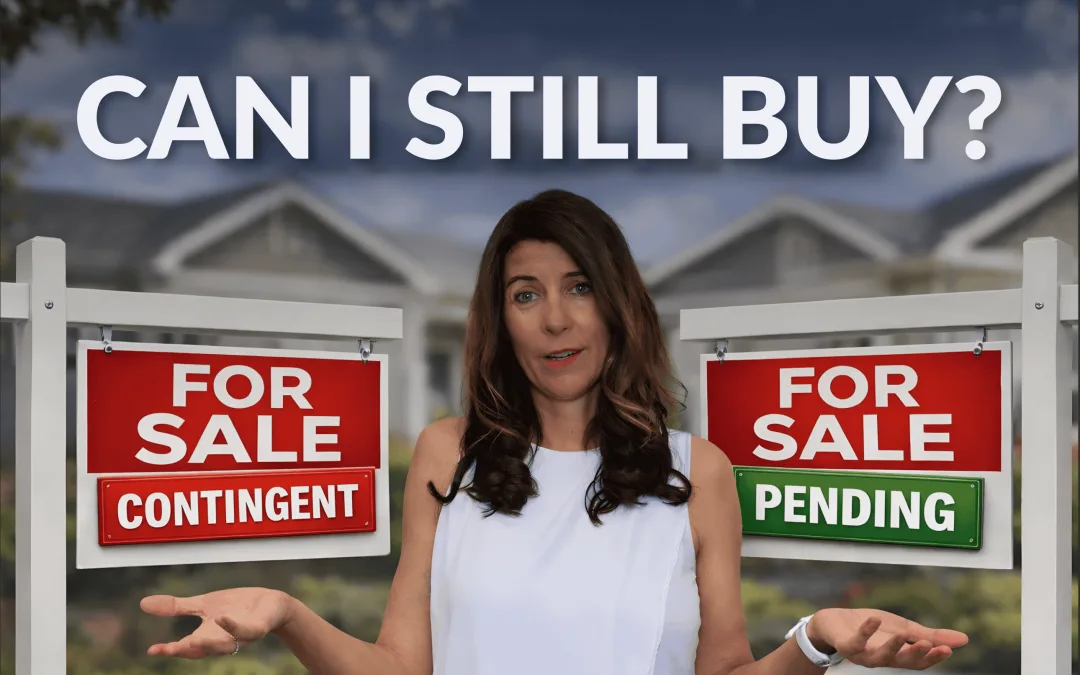
Seeing a listing switch to “contingent” or “pending” can feel like a punch in the gut, especially when it’s the house you were ready to tour. The good news? It doesn’t always mean you missed your chance.
This guide explains contingent vs pending in plain English, what “under contract” usually means, and what smart buyers do next (including when a backup offer is worth it).
Key takeaways (read this first):
- Contingent = offer accepted, but conditions still need to be met (inspection, financing, appraisal, etc.).
- Pending = most conditions are cleared; the deal is typically moving toward closing.
- Under contract is often a catch-all term that can overlap with either, depending on the site or MLS.
Quick reality check: Listing statuses can show up differently on Zillow, Realtor.com, and other portals. Treat the status as a clue, not a guarantee.
Contingent vs. Pending: What These Statuses Usually Mean
What does “contingent” mean in real estate?
A home is typically listed as contingent when the seller accepted an offer, but the sale is still conditional on one or more “contingencies” (requirements) being satisfied.
Common contingencies include:
- Home inspection contingency (inspection results)
- Financing contingency (loan approval)
- Appraisal contingency (home must appraise for enough)
- Title contingency (clear title / no issues)
- Home sale contingency (buyer must sell their current home first)
In plain English: a contract is in place, but it’s not “locked in” yet.
What does “pending” mean in real estate?
A home is typically pending when the offer is accepted and the deal is further along, often meaning most contingencies are satisfied (or removed) and the parties are moving toward closing.
In plain English: it’s closer to sold, but not closed yet.
What does “Under Contract” mean in real estate?
“Under Contract” usually means an offer has been accepted, but it can be used differently depending on the platform.
Some sites use it as a broad label that can include:
- contingent (conditions still open)
- pending (conditions mostly cleared)
That’s why you might see different statuses for the same home depending on where you’re viewing it.
| Status | What it usually means | Can you still act? | What you should do |
|---|---|---|---|
| Contingent | Offer accepted, conditions still open | Sometimes yes (especially if “continue to show”) | Ask about showings + consider a backup offer |
| Pending | Conditions mostly cleared, heading to closing | Less likely but sometimes possible | Ask if seller accepts backups; shift to Plan B if not |
| Under Contract | Offer accepted; stage may vary | Depends on what it actually represents | Treat it like “accepted offer” and ask your agent for details |
Sources for general definitions: NerdWallet, Rocket Mortgage, Zillow
What Buyers Should Do Next (Real Playbook)
If the home is Contingent
You’re not necessarily out. Your goal is to determine the type of contingent and whether the seller remains open to showings or backup offers.
Do this (in order):
- Ask: “Are they still showing it?”
Some sellers keep showings open while contingencies are being worked through. - Ask: “Will the seller accept a backup offer?”
If yes, you may be first in line if the main deal falls apart. - If you love the home, prepare a clean backup offer:
- strong pre-approval
- realistic timeline
- clear terms
- minimal confusion
When contingent is worth chasing:
- You can still tour it
- The listing says “active contingent” / “continue to show” (varies by system)
- The home is a perfect match and you can move quickly
If the home is Pending
Pending typically means the deal is closer to closing, so your odds drop, but it’s not always game over.
Do this:
- Ask: “Are they taking backup offers?”
- Ask: “Is it pending ‘do not show’ or pending while taking backups?” (labels vary)
- Decide fast:
- If backups are allowed, and you truly want it → consider a backup
- If not → move to Plan B immediately
Pro tip: Even if you go backup, don’t pause your search. Pending deals can take time, and you don’t want to lose momentum.
Can You Still Make an Offer on a Contingent or Pending Home?
Sometimes.
- More likely on contingent, especially if it’s still being shown (or labeled “active contingent”).
- Less likely on pending, but some sellers still take backups as insurance.
The only way to know: ask whether they’re accepting showings and backups right now.
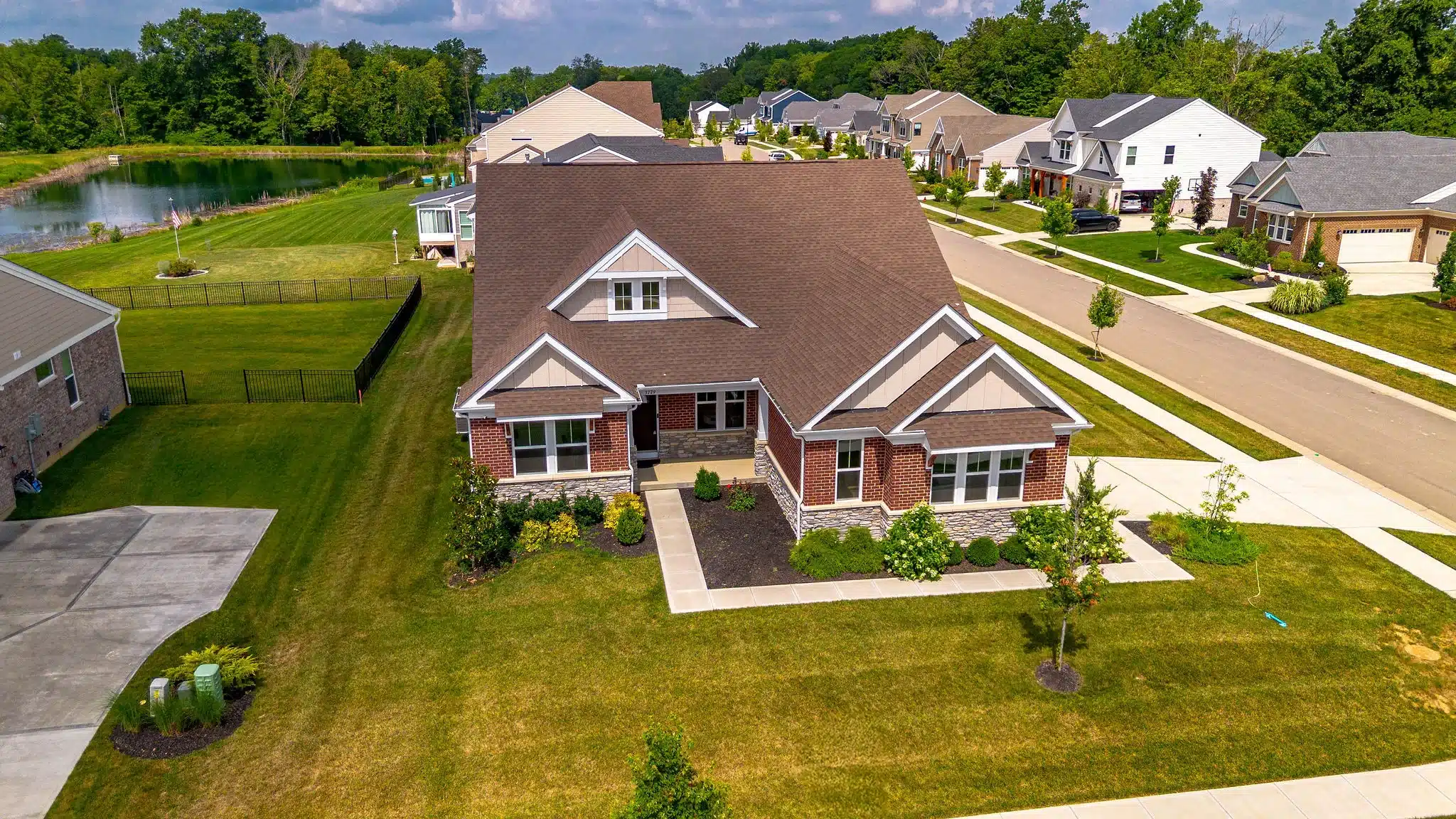
Some homes marked “contingent” may still allow showings; always confirm before you move on.
When a Backup Offer Actually Makes Sense
A backup offer can be smart if:
- the home is a rare match (street, layout, school zone, lot, “this feels right”)
- you can write a clean offer quickly
- you’re comfortable continuing your search while you wait
A backup offer usually does not make sense if:
- there are plenty of similar homes available
- you’re emotionally stuck on one property
- your financing/timeline isn’t ready yet
How Long Does a Home Stay Contingent or Pending?
There isn’t one universal answer. It varies based on:
- inspection timing
- lender timeline
- appraisal scheduling
- title work
- closing date negotiated by both parties
Rule of thumb: treat these labels as “deal in progress,” and move quickly if you want a shot.
Why This Matters for Cincinnati Buyers (and Suburbs)
Here’s the Monika truth: in competitive pockets (Mason, West Chester, Liberty Township, Indian Hill), great homes can change status fast, and buyers often lose time simply because they don’t know what the label means.
That’s why smart buyers do two things:
- Act fast, and
- act with a plan (pre-approval ready, clean terms, and a backup strategy when it makes sense).
What I Tell My Buyers (Simple Decision Tree)
- If it’s contingent and still showing → see it ASAP + consider backup.
- If it’s pending not showing → ask about backups, but start Plan B immediately.
- If it’s under contract → verify what that status means, then choose your move.
FAQs
What is a contingency in real estate?
A contingency is a condition written into the purchase contract that must be met by a deadline for the deal to move forward. If the condition isn’t met (and isn’t waived), the buyer or seller may be able to cancel the contract without moving to closing. Common examples: inspection, financing, appraisal, and clear title.
What does it mean when a contract is “pending”?
A contract is typically considered pending when the buyer and seller have an accepted, signed agreement and the transaction is moving through the final steps toward closing. In many cases, “pending” implies that major contingencies have been satisfied or removed, but the home is not sold until it actually closes. Definitions can vary by market and by platform, so the safest move is to confirm the exact status with your agent or the listing agent.
What is the difference between pending and contingent and under contract?
Generally, contingent means conditions are still open, pending means the deal is closer to closing, and under contract is typically used as a broad label for accepted offers.
Is it worth looking at a contingent house?
Sometimes, especially if it’s still being shown or backups are allowed. Ask your agent if showings/backups are being accepted.
Does pending mean sold?
Not exactly. Pending usually means the sale is likely heading to closing, but it can still fall apart due to financing, appraisal, inspection issues, or title problems. It’s less common than earlier stages, but it happens, which is why backup offers can sometimes be a smart play.
Can you make an offer on a pending house?
Sometimes, as a backup offer, but it depends on whether the seller is accepting backups at that stage.
What are the most common contingencies in real estate?
Inspection, financing, appraisal, title, and (sometimes) home sale contingency.
Why do deals fall through even after pending?
Issues can still pop up (financing, appraisal, title, buyer/seller issues). It’s not common, but it happens.
Why trust this guide?
This blog is written for real buyers who are actively shopping (and sometimes stressing) in the Cincinnati area, and want clear answers, not vague real estate jargon.

About Monika DeRoussel: Monika is a Cincinnati-area Realtor who helps first-time buyers, relocators, and move-up buyers make smart decisions with clarity and strategy, especially when listings start changing status fast.
Why work with Monika on your next move?
Because Monika doesn’t just look at the label, she looks at what it actually means in real life. She combines market experience, neighborhood insight, and a buyer-first strategy to help you:
understand what “contingent” and “pending” really mean for your chances,
move fast without making rushed mistakes,
and write offers that are strong and smart (including backup offers when they make sense).
Learn more about how Monika supports:
Watch: Monika’s Latest Buyer Tips
Want to know if you still have a shot at that house?
If a home you love just flipped to contingent or pending, DM Monika and send:
the listing link/address
your timeline (ASAP vs 3–6 months)
whether you’re first-time, relocating, or moving up
She’ll tell you the smartest next step, including whether a backup offer is worth it.
And if you’re not ready to talk yet, but want a quick starting point, you can use my free home value tool here to get an instant estimate: 👉 CLICK HERE
It’s a helpful first step, and when you’re ready for a real strategy (not just a number), I’m here.
📩 Thinking about buying or selling in Cincinnati?
Call or text me at (513) 289-1039,
or contact me here: deroussel.com/contact.
I’d love to help you discover what’s possible in your next move.

Thinking of selling your home? Start the conversation with Monika DeRoussel.