

Ohio Home Buying • Cincinnati Real Estate • 2026 Guide
A step-by-step guide to the Ohio real estate purchase contract, including earnest money, contingencies, title, inspections, closing timelines, and the contract mistakes buyers should avoid.
Quick Take
If you’re buying a home in Ohio, especially as a first-time buyer or someone relocating, the purchase contract is where clarity matters most. You do not need to be a legal expert to protect yourself. You need to understand what you are signing, what deadlines matter, and where your protections actually are.
In This Guide
- Watch the Video First
- What Is a Real Estate Purchase Contract in Ohio?
- Key Sections of the Ohio Purchase Agreement
- A Typical Contract-to-Closing Timeline
- The 3 Biggest Contract Mistakes Ohio Homebuyers Make
- Why This Matters in the Cincinnati Market
- FAQs
- Final Advice Before You Sign Anything
- Want a Calm, Clear Next Step?
If you’re buying a home in Ohio, especially if you’re a first-time buyer or relocating, this is the moment where confidence matters most: the purchase contract.
And let me say this the way I say it to my clients: you don’t need to be a legal expert to protect yourself, you need clarity. You’re allowed to ask questions. You’re allowed to slow it down. And you deserve to understand every page before you sign.
This guide is based on my YouTube video, where I walk through the Ohio real estate purchase contract step by step. I’m also adding 2026 updates, buyer-friendly checklists, and trusted resources so you can feel informed, not overwhelmed.
Watch the Video First
If you want the quick walkthrough version, watch the video first and then come back to this guide as your checklist.
What Is a Real Estate Purchase Contract in Ohio?
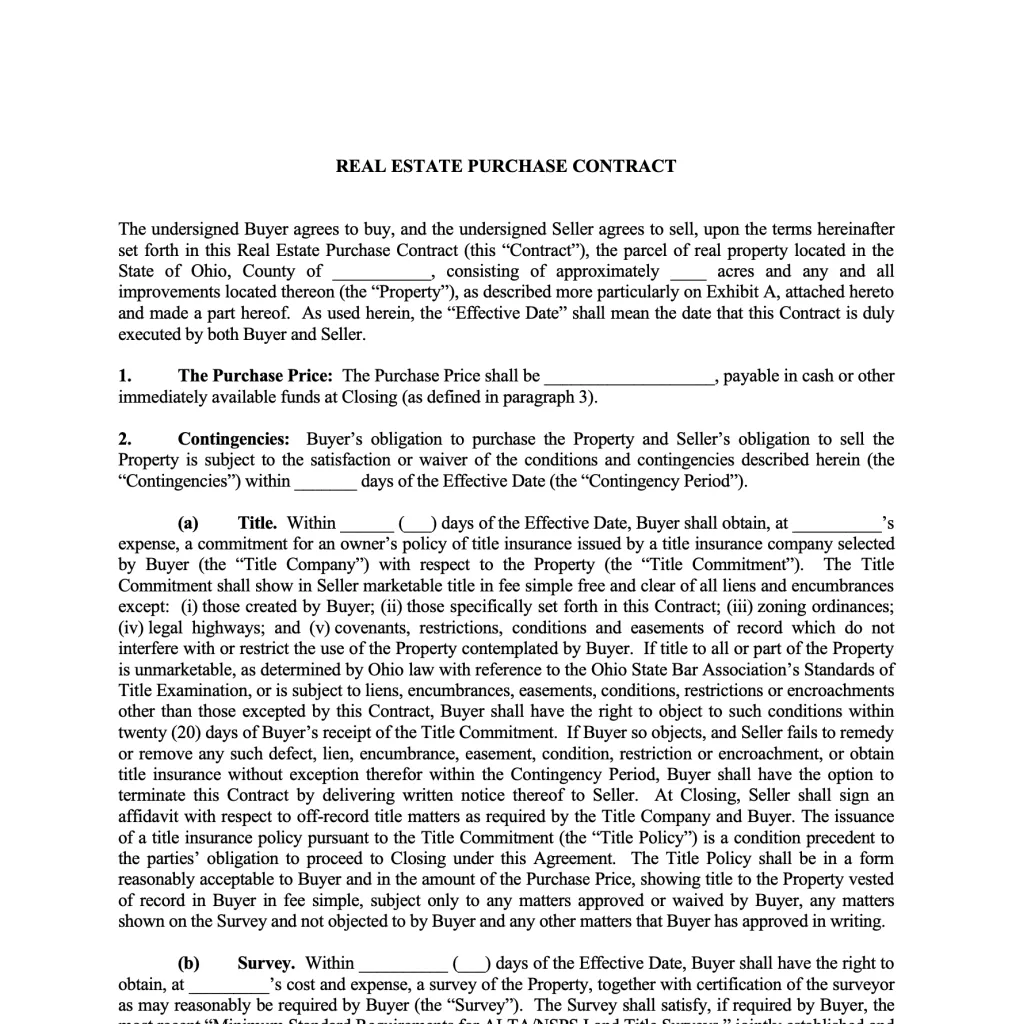
An Ohio real estate purchase contract, often called the Ohio purchase agreement, is the document that turns a “yes, I want this home” into a legally binding deal.
It typically covers:
- the price you’re paying,
- your deposit or earnest money,
- your financing terms,
- inspections,
- appraisal protection,
- what stays with the home,
- the closing date,
- and when you get possession.
Ohio REALTORS’ consumer guidance highlights many of these same deal points, including price, items included, financing terms, earnest money, closing and possession timing, and inspection provisions.
Key Sections of the Ohio Purchase Agreement (2026 Update)
Purchase Price and Earnest Money
Purchase price is obvious. Earnest money is where buyers often get surprised.
Earnest money is a good-faith deposit that signals you are serious. It is usually held in escrow and can be applied toward your purchase at closing, but you may risk it if you breach the contract. Contingencies are one of the key ways buyers protect that deposit.
Monika tip: Earnest money is not about proving yourself. It is about structure and protection. We write offers that keep you safe and competitive.
Financing Contingency (VA, FHA, Conventional, Cash)
Your financing contingency is your “this only works if…” clause.
When we write a contract, I want your terms to reflect your real situation, not your wishful situation. Do not write financing terms you cannot meet. Write the contract for the worst-case scenario, and improve later if you can.
- Conventional: Often lower long-term costs than FHA, but can be stricter to qualify for.
- FHA / VA: May help buyers with different qualification needs, depending on eligibility and lender confirmation.
You do not need to sound rich on paper. A strong offer is about clean terms, realistic deadlines, and smart protection, not pretending.
Inspection and Appraisal Contingencies
If there is one thing I will repeat forever: do not skip inspection.
Inspections help you uncover what you cannot see in a showing, whether that is structure, roof, sewer, radon, pests, or other issues depending on what you choose. This is where buyers avoid the surprise repairs that wreck budgets.
Appraisal contingency is your protection if the lender’s value comes in low. If appraisal is below the agreed price, you may renegotiate, bring cash, or exit, depending on what the contract says.
Inspections protect your future. Appraisals protect your investment. Skipping either is like buying a car without opening the hood.
HOA Rules and Restrictions
If the home is in an HOA, you are not just buying a property, you are buying a rulebook.
The National Association of REALTORS encourages buyers to review HOA governing documents, including CC&Rs, bylaws, and rules, and to consider the HOA’s financial health because it can affect lending and quality of life.
HOA questions I want you asking:
- Can I build a fence?
- Can I park a camper or boat?
- Are rentals allowed now or later?
- Are there age restrictions?
- Who handles lawn and snow maintenance?
- What are the dues and special assessments?
You do not need to be nice about HOA rules. You need to be clear. Your home should fit your life, not the other way around.
Inclusions, Exclusions, and Personal Property
This is where buyers get burned fast.
If you want appliances or specific items, they should be written clearly. Fridge, washer and dryer, curtains, TVs, swingsets, spell it out.
Simple rule: If it matters to you, put it in writing.
Closing Timeline and Post-Occupancy
A typical closing timeline can be around 30 days, but real life varies.
Post-occupancy, when the seller stays after closing, can be convenient, but it increases risk for buyers.
If a seller asks for post-occupancy, think like a CEO:
- What is the rent or payment for those days?
- What is the security deposit or escrow?
- Who pays utilities?
- What happens if damage occurs?
- What is the penalty if they do not leave on time?
Your lender must provide your Closing Disclosure at least three business days before closing. Use those days to review everything and ask questions.
Title Company and Title Insurance in Ohio
In Ohio, title services often include the closing agent and the title work. Title services can include title search and title insurance, and in many areas you can shop for them.
Owner’s title insurance protects you if someone later claims a right to the property from before you bought it, such as unpaid taxes or contractor liens.
Title insurance is not glamorous, but it is one of the most practical protections you buy.
A Typical Contract-to-Closing Timeline
Every deal is different, but most buyers feel calmer when they can see the process laid out clearly. Think of the contract period like this:
Offer Accepted
The contract becomes active and key deadlines start running immediately.
Earnest Money + Inspections
Deposit is submitted and inspections are scheduled during the contingency window.
Loan + Appraisal
Your lender moves the file forward while the appraisal confirms value.
Title + Final Review
Title work, disclosures, and final numbers are reviewed before closing.
Closing Day
You sign, funds are transferred, and possession happens based on the contract terms.
The 3 Biggest Contract Mistakes Ohio Homebuyers Make
Let’s keep this real. These are the mistakes that cause panic later.
1) Writing financing terms you can’t actually meet
Trying to look strong can backfire. We write terms that are realistic and competitive without putting your earnest money at risk.
2) Waiving protections just to win
Yes, competition exists. But smart buyers win with strategy, not fear. Contingencies exist to protect you, especially your deposit.
3) Assuming appliances or items are included
If it is not written, it is not promised. Spell it out.
Do not get emotionally finessed by a contract. Protect your money. Protect your peace.
Why This Matters in the Cincinnati Market (2026)
Cincinnati is still a market where good homes move, and buyers need to be prepared.
Market conditions shift. Some homes take longer to sell than in previous periods, while pricing and pending times can also change. What that means in practice is simple: buyers need clean contracts, realistic deadlines, and protections that match their real risk tolerance.
- You need a contract that is clean and confident.
- You need deadlines you can actually hit.
- You need protections that match your risk tolerance.
- You need someone local who can explain it fast and clearly when things move quickly.
FAQs: Ohio Real Estate Purchase Contracts
Is the Ohio purchase contract legally binding?
Yes. Once both parties sign, it becomes a binding agreement, with specific exit options depending on the contract terms.
Can I back out after signing?
Sometimes, usually through a valid contingency such as financing, inspection, appraisal, or HOA review, depending on what is written and your deadlines.
What is earnest money, and can I lose it?
Earnest money is a good-faith deposit. You may risk it if you breach the contract, and contingencies help protect it.
Do I need a lawyer to buy a home in Ohio?
Many Ohio closings are handled through title and closing services rather than direct attorney involvement at every step.
What happens if the appraisal is low?
Often you may renegotiate, bring additional cash, or exit, depending on your appraisal contingency language.
Should I skip the inspection to win?
I do not recommend it. Inspection is one of your strongest protections.
What if the home is in an HOA?
Review the HOA governing documents, rules, restrictions, and financial health carefully because they can affect both your lifestyle and your loan approval.
What appliances stay with the house in Ohio?
Only what the contract says stays. If you want it, write it in.
When do I see my final closing numbers?
Your lender must provide a Closing Disclosure at least three business days before closing. Use it to double-check everything.
Final Advice Before You Sign Anything
Here is my final reminder: do not let the contract intimidate you.
A strong buyer is not the one who signs fastest. A strong buyer is the one who signs with clarity.
If you are reading this as a first-time buyer, especially if you have ever been talked over in financial conversations before, hear me: this is your purchase, your future, your money. You have every right to understand it fully.

BUYER CLARITY • LOCAL GUIDANCE
Meet Monika DeRoussel 👋
I work with buyers every day. My role is not to rush you into signing something you do not understand. It is to help you move with clarity, protect your money, and make smart decisions at every step of the process.
Want a Calm, Clear Next Step?
If you’re buying in Cincinnati or anywhere in Ohio and want someone to walk through the process with you calmly and clearly, Monika DeRoussel is here to help.
Thinking about buying or selling in Cincinnati? Call or text (513) 289-1039 or reach out here: deroussel.com/contact. I’d love to help you discover what’s possible in your next move.